
Building an Electric Kiln
Electric Kiln builder tool for designing and estimating materials and costs. Automatic brick count, optimization, heat transfer and insulation. Recommended power requirements methods.

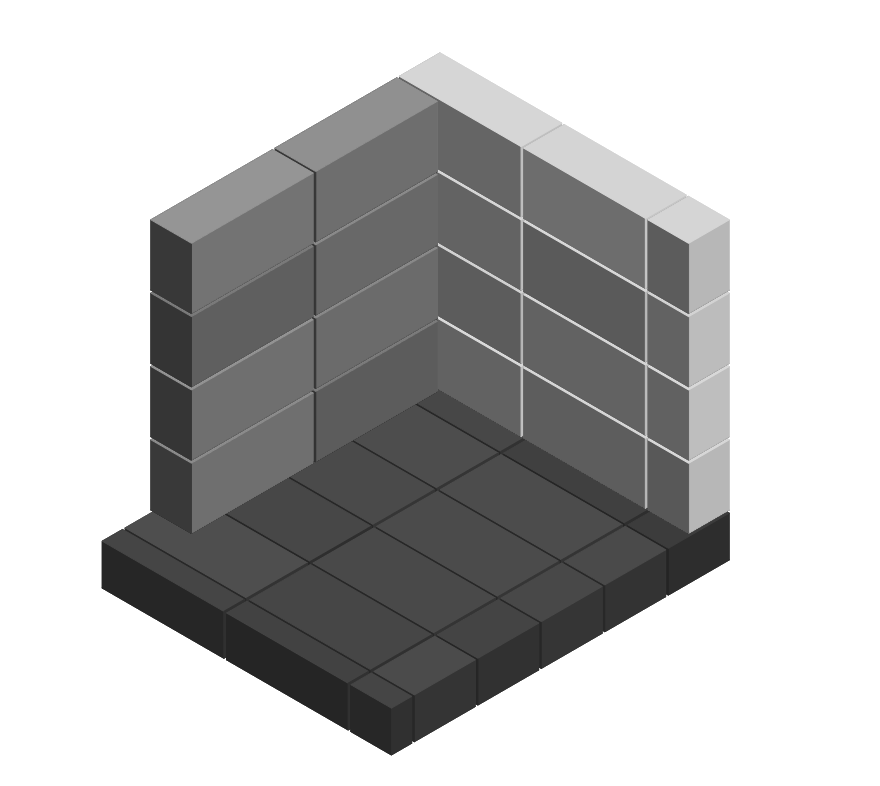
One of many troubles that I have been experiencing is not finding a good single source of information when building a kiln. There are a lot of good tutorials with clear explanations but in my search some questions were always unanswered clearly.
One of my uncertainties was if it was enough power to reach cone 6, how much power is required, should it be according to the volume? the surface? the bigger the kiln the more efficient it gets per volume. What if it cools too slowly? What if the maximum power of my house is fixed at around 5000W, can I still use a kiln? how big?
So with all of those questions in mind, with all of my sheets of calculations in multiple parts and some papers going around, I decided to gather all of that in a single simple tool. This allows to clearly play with dimensions and materials and get a notion of how the parts interact with each other.
Of course I have never, and probably never will, build a giant kiln for a factory. I really don't know which factors you have to consider there. But at low scale I think I am getting close to at least having some rest in my doubts.
Most of the power propositions are based on The Kiln Book 4th Edition from Frederick Olsen. He suggests 3 ways of determining the power of a kiln: considering the volume, the surface, and a compiled table of common kilns. I expanded this list with my own compilation of 66 kilns available in the market. With that information I got the median value for volume and surface. I present all of those values as suggestions and finally an experimental one compiled from the heat loss of the system.
I strongly recommend always going a little higher, but when the power available is low it is good to know what is possible. Even so, take it with a grain of salt. You can check all of the sources at the references section at the bottom of the page.
The default settings consider using K23 bricks (9x4.5x3) and 4 inches of fiber insulation. You can configure if you want to build over the base or around. You can also manually enter dimensions for each type of brick, that way if you want to use the long part of a brick for a wall thickness you just modify that dimension.
You can play with this tool and tell me what are your thoughts on it. If you find some errors please comment here so I can review it. Thanks for your feedback.
TODO
- Automatic elements calculation
- Round Kiln Support